Produced water
Recover crude and clean water from oilfield effluent.
- Onshore fields
- Effluent pits
- Water reinjection
RESEARCH PARTNERSHIP / 07
Rispri Labs delivers graphene-based oil–water separation, developed with ICT Mumbai: water-repellent sponges that soak up oil many times their weight and membranes that separate oil and water at high flux, cycle after cycle.
ICT Mumbai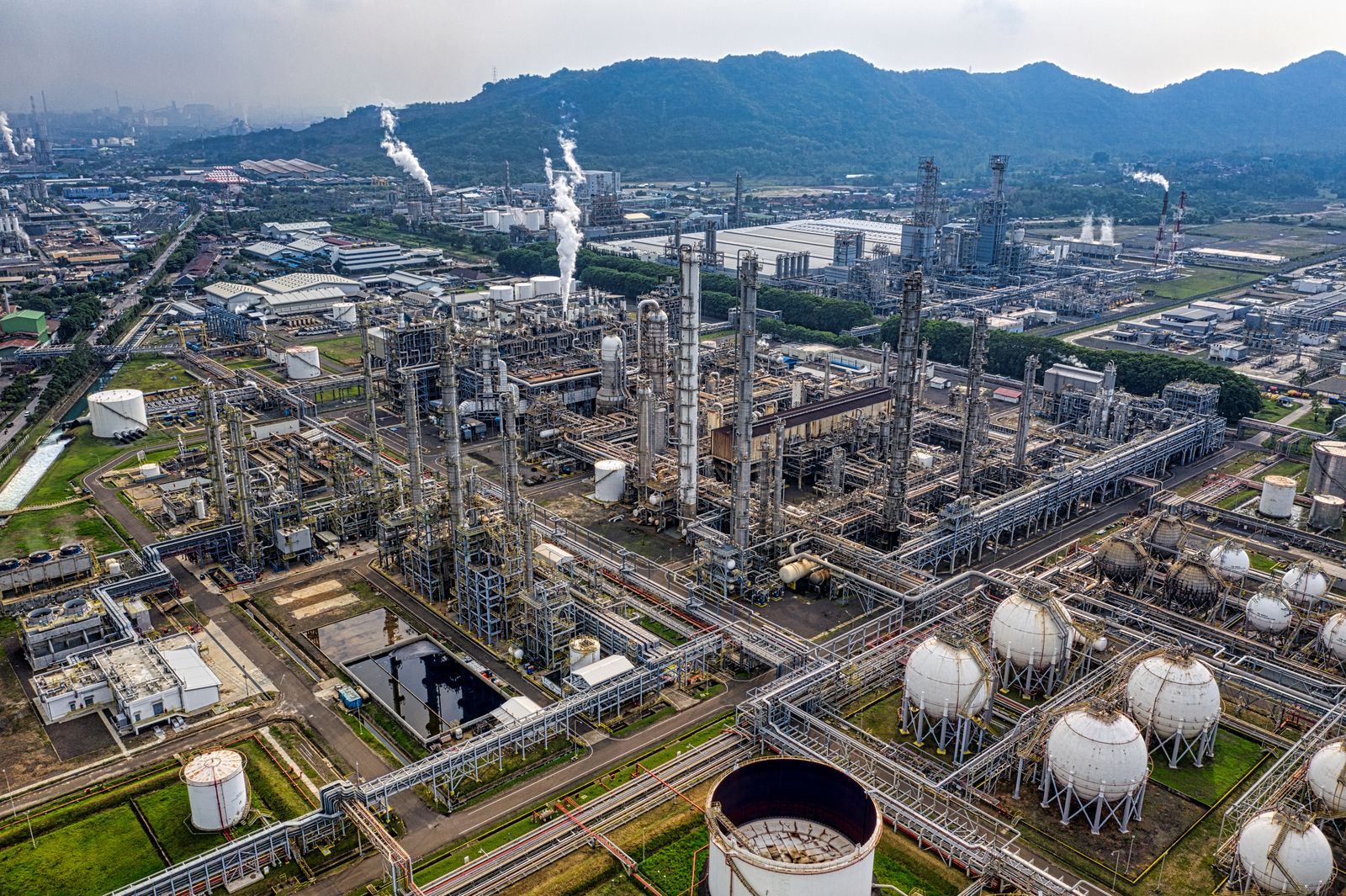
What it means for you
parts of oil separated from water by the membrane.
its own weight in oil soaked up by the sponge.
and the membrane still works at 96% efficiency.
Performance
Emulsified and free oil fouls membranes, upsets biological plants and keeps oil and grease above discharge limits. Graphene materials pull the oil out selectively and can be reused.
Figures are from the research team's controlled trials. Performance on your stream is confirmed in our laboratory before design.
Challenge and response
Oil and grease stay above discharge limits after gravity separation.
Graphene membranes separate oil and water at over 98% efficiency.
Oil fouls downstream membranes and biological units.
Remove oil upstream to protect the rest of the plant.
Absorbent pads are used once and become hazardous waste.
Sponges are squeezed out and reused, and the oil is recovered.
Hot streams damage polymer absorbents.
Sponges stay stable up to 400 °C.
How it works
Oily water passes through a graphene sponge or membrane.
The water-repellent surface rejects water and takes up oil.
The membrane passes clean water at high flux and holds back oil.
Sponges are squeezed out and reused; the oil is recovered.
Use cases
Recover crude and clean water from oilfield effluent.
Polish oil and grease before discharge.
Separate tramp oil from machining streams.
Treat oily wash water on site.
Soak up spills on water and land.
Remove oil from condensate before reuse.
Comparison
| Factor | Oil skimmers and single-use pads | Rispri solution |
|---|---|---|
| Separation | Free oil only; emulsions pass | Over 98% oil–water separation |
| Absorbent capacity | Low, single use | 25–50 g of oil per g; reusable |
| Durability | Degrades with heat and solvents | Stable to 400 °C; 96% after 10 cycles |
| Oil recovery | Pads disposed as hazardous waste | Oil squeezed out and recovered |
| Throughput | Slow settling | 625 L/m²·h membrane flux |
Standards and regulations
We design each system to meet your consent conditions and the regulations for your sector, and our laboratory reports against them.
Industries served
Why Rispri
Built on patented and peer-reviewed research from our partnership with ICT Mumbai.
Our accredited laboratory characterises your water or waste before design and verifies results after.
The team that builds ETPs, STPs and ZLD plants across India takes each solution from pilot to full scale.
Design, supply, installation, commissioning, operation and testing under one contract.
Questions
Between 25 and 50 grams of oil per gram of sponge, and it keeps its capacity over 10 cycles.
The graphene–clay membrane separated oil and water at over 98% efficiency with a flux of 625 L/m²·h, keeping 96% efficiency after 10 cycles. We test your emulsion in our laboratory first.
Yes. The sponge is squeezed or treated to release the oil, which can be reused or sold.
The sponge stays stable up to 400 °C.
It has been validated in controlled trials. We take it to your site through a pilot on your own effluent.
Research partnerships
THE NEXT STEP
Send us a sample or tell us about your site. We will test it, recommend a configuration and set up a pilot.
Request a pilot