Rispri LabsENGINEERING A CIRCULAR FUTURE

TECHNOLOGY SEGMENT / 05

16 technologiesReady level 6 to 9

Sewage, drains and water bodies.
Low-power sewage, ponds and lakes.

Ways to treat sewage without a big plant or sewer line, clean open drains and ponds, stop water loss and keep workers out of septic tanks.

PROVEN TECHNOLOGIESDelivered by Rispri Labs
Sewage, drains and water bodies

Problem 01

Sewage, bath water and open drains.

Many towns, colonies and villages have no sewer line, and cannot run a big sewage plant. These methods clean sewage near where it is made and use little or no power. Read the guide →

Ready: level 7 to 9 of 9One home to a town

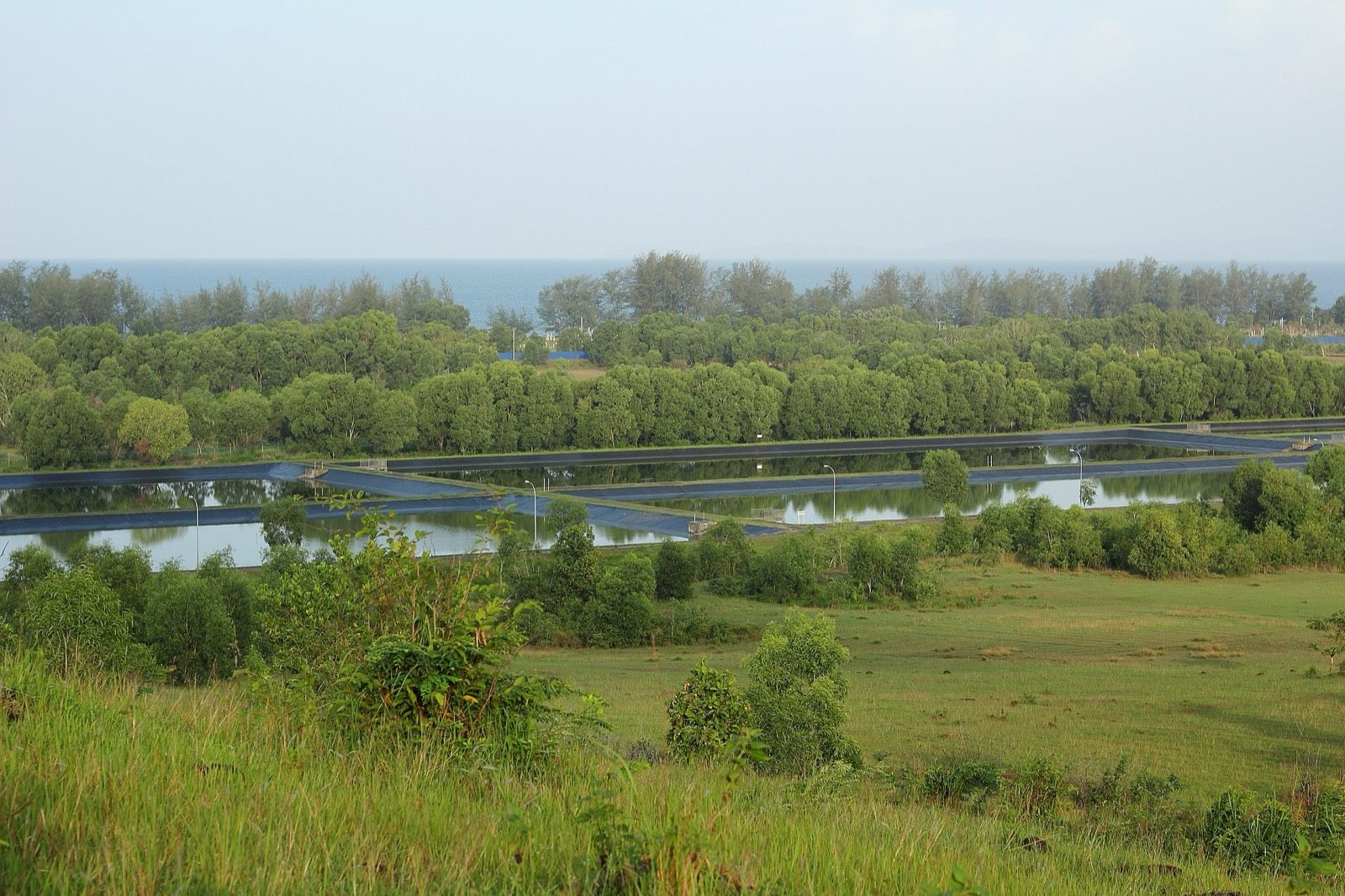
Planted gravel beds that clean sewage

The problem
A colony, school or village needs to treat its sewage but cannot pay high running costs.
How it works
Sewage flows slowly through gravel beds planted with chosen plants.
What it has achieved
Hundreds already working in India. Copes with flows that go up and down during the day.
See full details
Ready: level 8 of 9Village or colony

Planted beds for salty wastewater

The problem
Wastewater near the coast or from a factory is too salty for ordinary plants.
How it works
Plants that like salt grow in a special bed that also makes a small electric current, which speeds up the cleaning.
What it has achieved
Cleans wastewater up to 5 grams of salt per litre, with less sludge.
See full details
Ready: level 7 of 9One home

Reuse bath and kitchen water at home

The problem
Bath and kitchen water goes down the drain while clean water is used to flush toilets.
How it works
A small planted bed at home cleans bath and kitchen water so it can be used for flushing and gardening.
What it has achieved
Fits a single house and uses little or no power.
See full details
Ready: level 9 of 9Drain or town

Cleaning sewage inside the open drain

The problem
An open drain (nallah) carries raw sewage into a lake or river.
How it works
Helpful bacteria are added to the drain and break down the sewage as it flows.
What it has achieved
Already working in the field and at sewage plants.
See full details
Ready: level 6 of 9Remote sites

Ready-made sewage plant in a box

The problem
A remote camp, site office or small cluster of houses needs sewage treatment quickly.
How it works
Factory-built units arrive ready to connect.
What it has achieved
1,000 litres a day for sewage. 1,000 litres an hour for bath and kitchen water.
See full details
Ready: level 8 of 9Small business

Small wastewater plant that makes biogas

The problem
A small food business has strong wastewater and no space for a big ETP.
How it works
A compact unit lets bacteria break down the waste without air.
What it has achieved
Very small footprint. Already working at a rural food unit.
See full details
Ready: level 7 of 9Town or factory

Trees that use up treated wastewater

The problem
Treated wastewater has nowhere to go, but there is spare land.
How it works
The water is spread along ridges planted with fast-growing trees.
What it has achieved
Grows a green belt from wastewater.
See full details
Ready: level 8 of 9Town

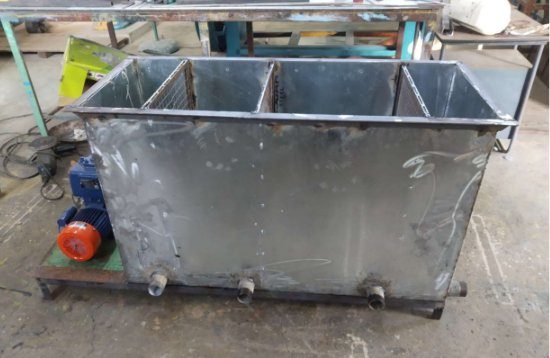
Machines that clean septic tanks and drains

The problem
Workers still go down into septic tanks and drains to clean them by hand.
How it works
Machines on a vehicle suck out septic tanks, separate the water from the sludge on the spot and clean the water.
What it has achieved
Nobody has to enter the tank or drain.
See full details
Ready: level 7 of 9Homes and public toilets

Toilet that flushes with less water

The problem
Toilets in dry areas use too much water for each flush.
How it works
A toilet and flush design that cleans the pan with much less water than a normal cistern.
What it has achieved
Tested in the field.
See full details

Problem 02

Green, smelly ponds and fish ponds.

Ponds and lakes turn green, smell and lose oxygen when sewage and waste flow into them. Read the guide →

Ready: level 6 of 9Village pond

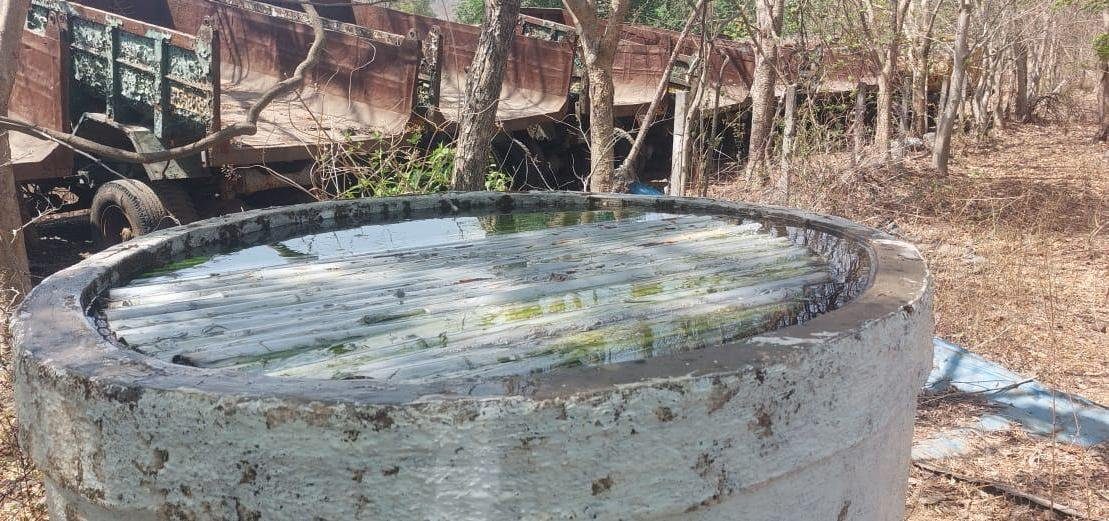
Floating unit to clean a green pond

The problem
The village pond used for bathing and cattle is covered in green algae.
How it works
A floating unit uses ozone and bursting bubbles to break down algae and other pollution in the pond, and adds oxygen to the water.
What it has achieved
Treats 1,000 litres an hour.
See full details

Problem 03

Leaking water tanks and ponds.

A leaking tank or pond loses water you have already paid to collect and clean. Read the guide →

Ready: level 7 to 9 of 9Home or village

Low-cost cement water tanks

The problem
Village homes need strong water tanks that cost less than plastic or concrete ones.
How it works
Thin tanks are cast from a runny cement mix.
What it has achieved
Cheaper than tanks sold in the market.
See full details
Ready: level 7 of 9Farm pond

Rust-free concrete lining for ponds

The problem
Farm ponds lose water through the floor, and steel-reinforced linings rust.
How it works
Thin concrete linings are strengthened with strong fabric instead of steel, so they never rust and keep water in.
What it has achieved
Tested in a working pond.
See full details

Questions

Frequently asked questions.

How do I pick the right technology?

Start with a test of your water. Our NABL-accredited lab checks the sample, then our engineers shortlist the methods on this page that suit your problem, the amount of water, your budget and your site.

What does the ready level mean?

It shows how far a technology has come, on a scale of 1 to 9. Level 6 means a working model has been tested in real conditions, and level 9 means it is already in use. Every technology here is level 6 or higher.

Can we try it before building a full plant?

Yes. Most of these can be tried on a small scale with your own water first, so you see results before you invest.

THE NEXT STEP

Not sure which
one you need?

Send us a water sample or a test report. We will tell you which proven method fits and what it costs to run.

Discuss your problem