PROVEN TECHNOLOGIES
Proven ways to fix
common water problems.
Find the problem you are facing. See how it is fixed and what the method has already achieved. Every method here has been tested in real conditions, and most are already in use.
Start with your problem
Six areas. One place to start.
Each technology starts with a problem you may recognise. Its page explains, in plain words, how it works, what it has achieved, what it costs to run and who it is for. We test your water in our NABL-accredited lab, pick the methods that fit, try them on a small scale if needed, then build the plant.
- Level 9
- Already in use
- Level 8
- Finished and proven
- Level 7
- Tested in the field
- Level 6
- Working model tested in real conditions
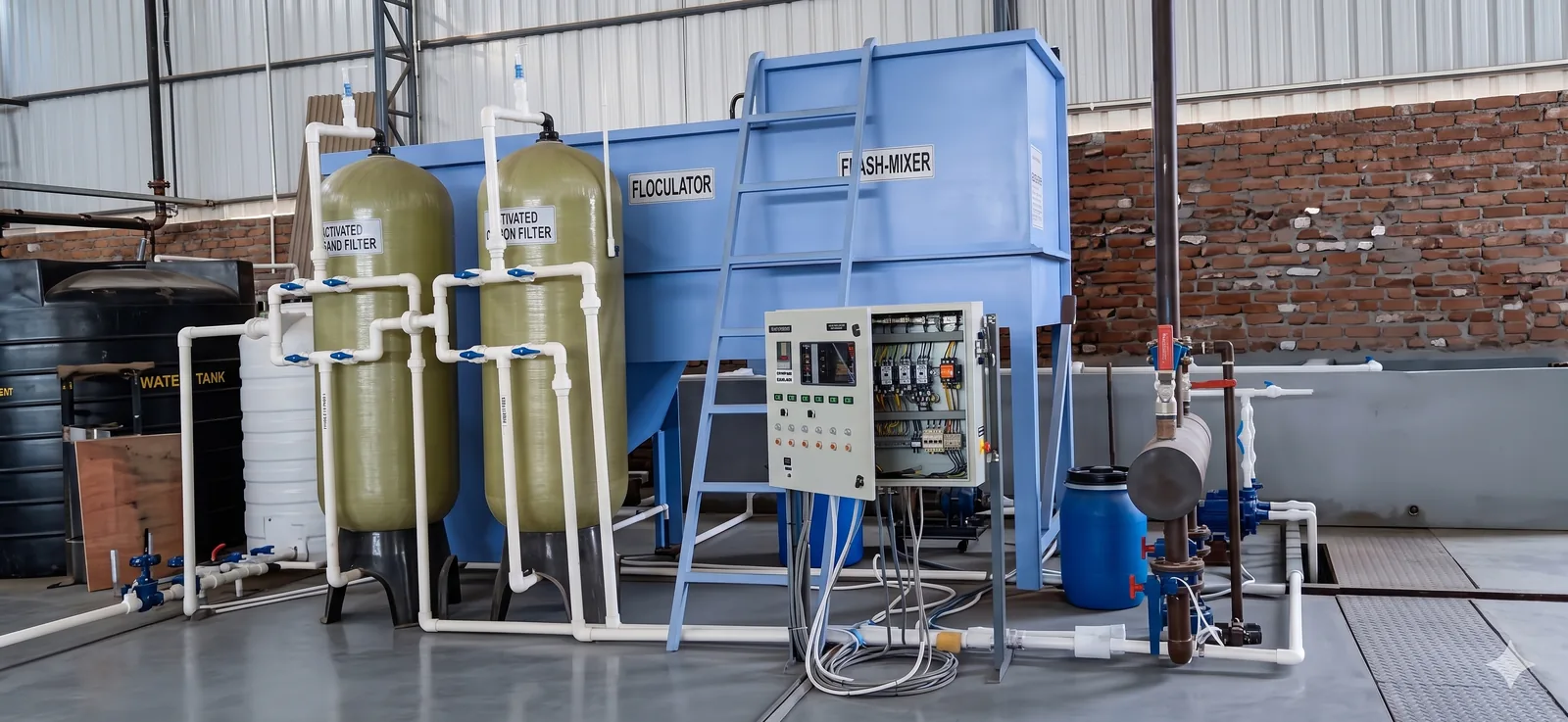
 01 / 18 technologiesSafe drinking waterWays to make borewell, hand pump and surface water safe to drink, from a filter for one home to a plant for a whole village. Most need no electricity.Arsenic and fluoride in borewell water · Yellow water, iron and muddy water · Killing germs without chlorine cylinders
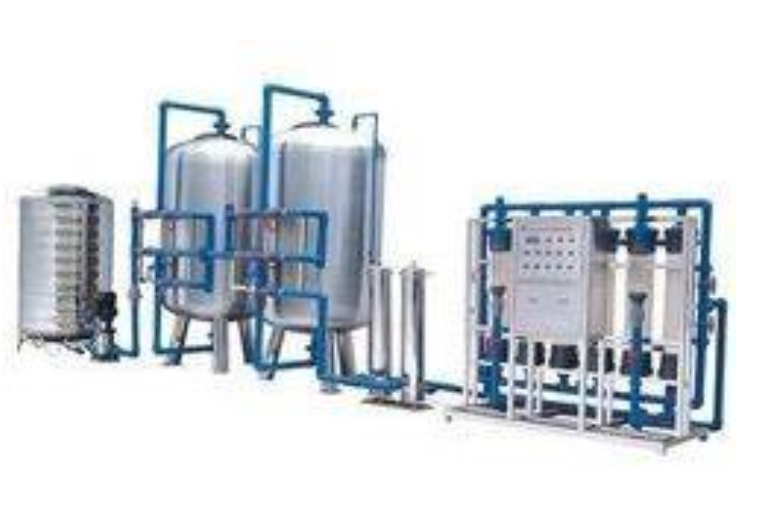
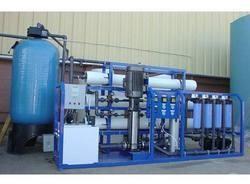 02 / 11 technologiesSalty water, RO and membranesWays to desalt water while wasting less of it, keep RO plants running, make membranes locally and recover water from RO reject.Salty water, RO plants and membranes
 03 / 18 technologiesIndustrial wastewater and ZLDWays to clean tough factory wastewater that fails COD limits, smells or leaves heaps of sludge, and to reach zero liquid discharge at lower cost.Factory wastewater that fails COD, smells or makes too much sludge
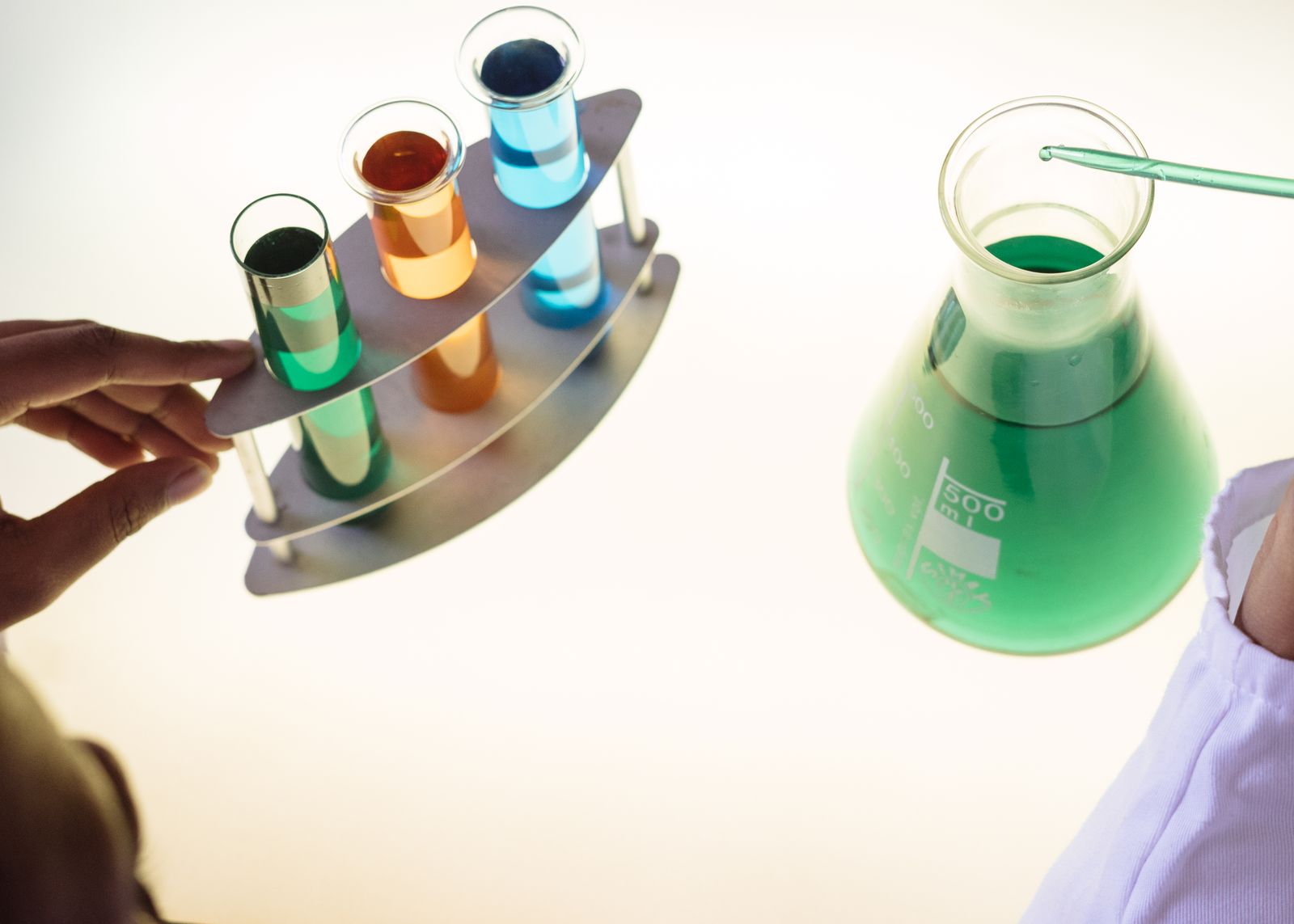 04 / 15 technologiesResource recovery and waste to valueWays to turn waste into money: clean salt from ZLD, solvents and metals from wastewater, fertiliser from ash, and fuel and heat from waste.Getting salt, solvents and metals back from wastewater · Water treatment materials made from waste
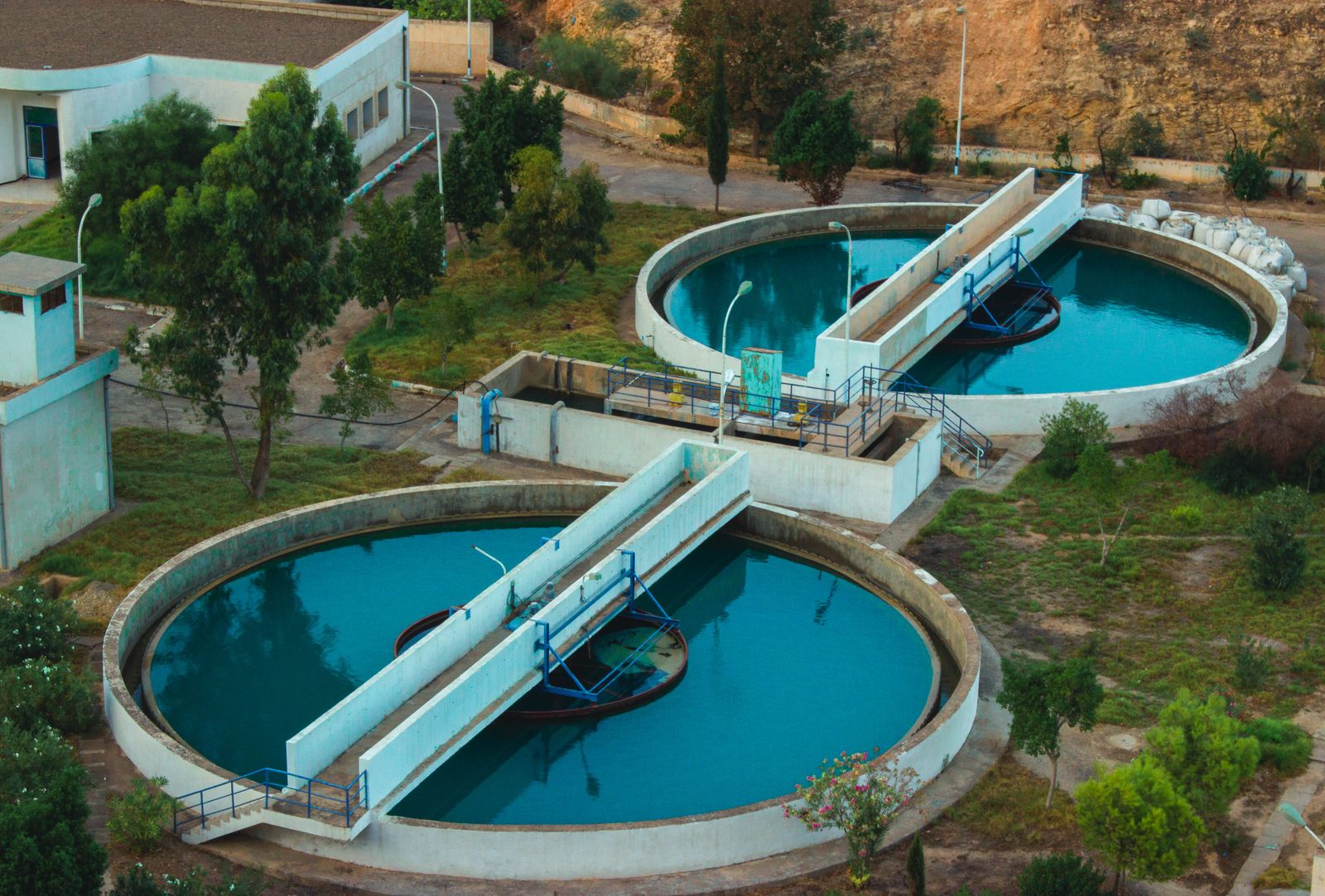 05 / 16 technologiesSewage, drains and water bodiesWays to treat sewage without a big plant or sewer line, clean open drains and ponds, stop water loss and keep workers out of septic tanks.Sewage, bath water and open drains · Green, smelly ponds and fish ponds · Leaking water tanks and ponds
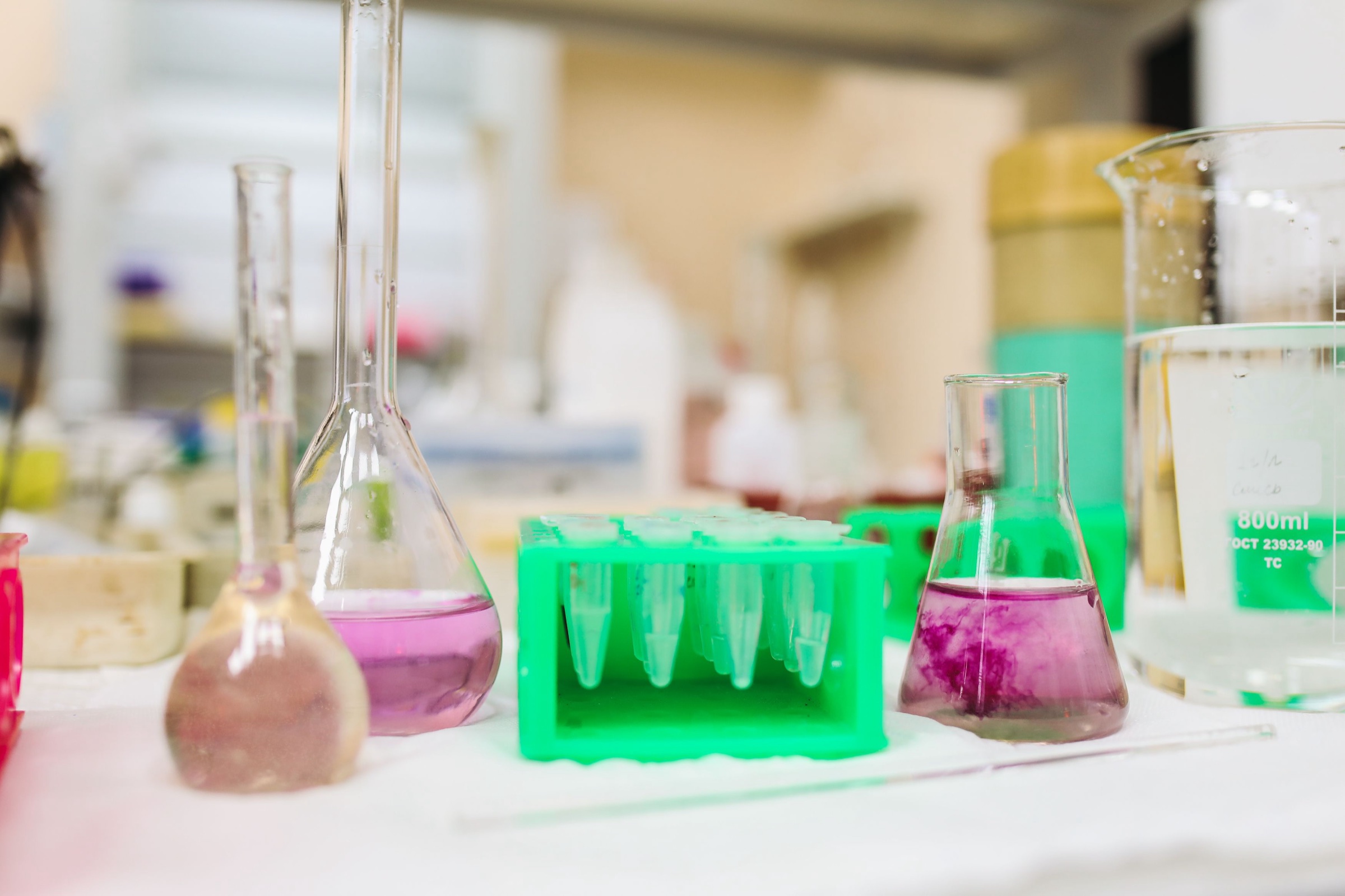 06 / 9 technologiesWater testing and pure waterWays to test water on the spot, monitor it remotely, and make very pure water for dialysis, labs and industry.Testing water on the spot · Very pure water for dialysis and labs
Segment 01
Safe drinking water.
Ways to make borewell, hand pump and surface water safe to drink, from a filter for one home to a plant for a whole village. Most need no electricity. See the full segment →
Arsenic and fluoride in borewell water
- Home filter for arsenic and fluorideReady: level 6 to 9 of 9
- Bead filter for fluorideReady: level 9 of 9
- Village arsenic plant on the hand pumpReady: level 6 to 7 of 9
- Arsenic resin plant for villagesReady: level 9 of 9
- Natural mineral filter for arsenic and ironReady: level 9 of 9
- One plant for fluoride, arsenic and ironReady: level 6 of 9
- Electric treatment for very high fluorideReady: level 6 to 9 of 9
- Ceramic filter plant for heavy arsenic and ironReady: level 9 of 9
- Treatment for arsenic, chromium, cyanide and pesticidesReady: level 9 of 9
Yellow water, iron and muddy water
- Iron removal plant on the hand pumpReady: level 7 to 9 of 9
- Large iron filter for schools and small townsReady: level 7 of 9
- Home iron filter, 15 litresReady: level 6 to 8 of 9
- Baked clay filter for iron and muddy waterReady: level 9 of 9
- Cheap filter for muddy waterReady: level 9 of 9
- Ceramic filters for muddy river waterReady: level 9 of 9
Segment 02
Salty water, RO and membranes.
Ways to desalt water while wasting less of it, keep RO plants running, make membranes locally and recover water from RO reject. See the full segment →
Salty water, RO plants and membranes
- Small RO and NF plants that waste lessReady: level 7 of 9
- Solar-powered salt removal that keeps mineralsReady: level 9 of 9
- UF plant that wastes almost no waterReady: level 7 to 9 of 9
- RO membranes made in IndiaReady: level 6 to 9 of 9
- Giving old RO membranes a second lifeReady: level 7 of 9
- Remote alerts for village RO plantsReady: level 7 of 9
- Drinking water made from airReady: level 9 of 9
- Water cleaning van with its own powerReady: level 7 of 9
- Drinking water from coal mine waterReady: level 9 of 9
Segment 03
Industrial wastewater and ZLD.
Ways to clean tough factory wastewater that fails COD limits, smells or leaves heaps of sludge, and to reach zero liquid discharge at lower cost. See the full segment →
Factory wastewater that fails COD, smells or makes too much sludge
- Carbon bed with bacteria for hard wastewaterReady: level 9 of 9
- Moving carbon bed for wastewaterReady: level 9 of 9
- Carbon bed for very strong, toxic wastewaterReady: level 9 of 9
- Enzyme filter to remove foam and detergentReady: level 7 of 9
- Bubble devices that break down tough pollutionReady: level 6 to 9 of 9
- Strong oxidation stage for reuse-quality waterReady: level 9 of 9
- Electric treatment so tanneries discharge no wastewaterReady: level 9 of 9
- Biogas reactor for oily and fatty wastewaterReady: level 9 of 9
- One step for pollution and ammoniaReady: level 6 of 9
- First-stage treatment with less sludgeReady: level 6 of 9
- Bacteria that remove dye colourReady: level 7 of 9
- Bacteria that clean up perchlorateReady: level 7 of 9
- Biofilter for factory smellsReady: level 6 to 9 of 9
- Compact unit with filters, UV and ozoneReady: level 6 to 9 of 9
Segment 04
Resource recovery and waste to value.
Ways to turn waste into money: clean salt from ZLD, solvents and metals from wastewater, fertiliser from ash, and fuel and heat from waste. See the full segment →
Getting salt, solvents and metals back from wastewater
- Clean salt back from tannery and dyeing wastewaterReady: level 9 of 9
- Removing salt so steel plant water can be reusedReady: level 9 of 9
- Getting costly solvents back from wastewaterReady: level 6 to 8 of 9
- Potash fertiliser from distillery ashReady: level 7 to 9 of 9
- Pure metals back from sludge and used catalystsReady: level 7 of 9
- Lac resin back from wash waterReady: level 7 of 9
- More salt from salt pansReady: level 9 of 9
Water treatment materials made from waste
Segment 05
Sewage, drains and water bodies.
Ways to treat sewage without a big plant or sewer line, clean open drains and ponds, stop water loss and keep workers out of septic tanks. See the full segment →
Sewage, bath water and open drains
- Planted gravel beds that clean sewageReady: level 7 to 9 of 9
- Planted beds for salty wastewaterReady: level 8 of 9
- Reuse bath and kitchen water at homeReady: level 7 of 9
- Cleaning sewage inside the open drainReady: level 9 of 9
- Ready-made sewage plant in a boxReady: level 6 of 9
- Small wastewater plant that makes biogasReady: level 8 of 9
- Trees that use up treated wastewaterReady: level 7 of 9
- Machines that clean septic tanks and drainsReady: level 8 of 9
- Toilet that flushes with less waterReady: level 7 of 9
Green, smelly ponds and fish ponds
Leaking water tanks and ponds
Segment 06
Water testing and pure water.
Ways to test water on the spot, monitor it remotely, and make very pure water for dialysis, labs and industry. See the full segment →
Testing water on the spot
Very pure water for dialysis and labs
More proven systems
Questions
Frequently asked questions.
What does the ready level mean?
It shows how far a technology has come, on a scale of 1 to 9. Level 6 means a working model has been tested in real conditions. Level 7 means it has been tested in the field. Level 8 means the finished system is proven. Level 9 means it is already in use. This page only shows levels 6 to 9.
How do I choose the right one?
Start by testing your water. Our NABL-accredited lab checks the sample. Then our engineers pick the methods that suit your problem, the amount of water, your budget and your site.
Can I try it before building a full plant?
Yes. Most of these can be tried on a small scale with your own water first. You see the results before you spend money on a full plant.
Do you supply and install these?
Yes. We design, supply, install and start up the plant, train your staff, and our lab checks the treated water.
THE NEXT STEP
Have a problem
that is not listed?
Send us a water sample or a test report. We will tell you which method fits, what it costs to run, and whether to try it small first.
Discuss your problem