
SAFE DRINKING WATER / 03
Village arsenic plant on the hand pump.
Arsenic-free water straight from the village pump.
The village hand pump gives clear water that tests high for arsenic. The plant fits on the hand pump.
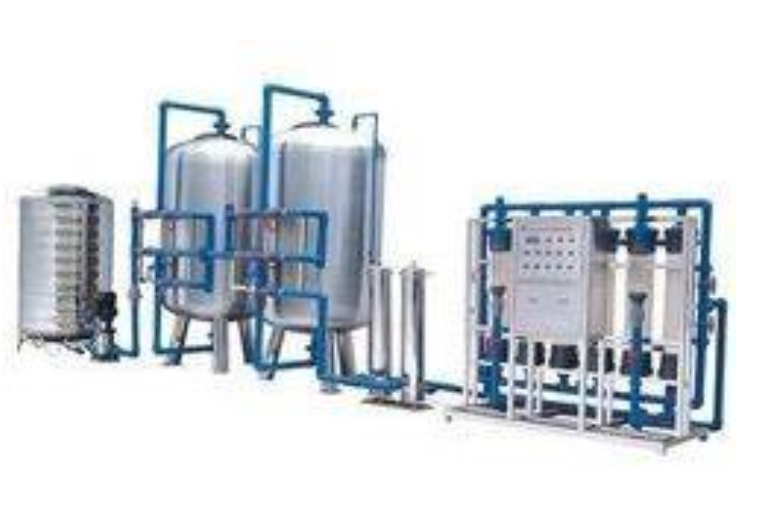
What it achieves
The key numbers.
depending on the model.
per litre of treated water.
of arsenic handled, brought below 10 µg/L.
Problem and fix
The problem this solves.
- 01The problem
The village hand pump gives clear water that tests high for arsenic.
How it is fixedThe plant fits on the hand pump. Water flows through tanks of natural minerals that hold on to arsenic. Once a week, water is run backwards through the tanks (a backwash) to clean them. No power or chemicals needed.
How it works
Step by step.
- 1
Pump
People use the hand pump or submersible pump as usual.
- 2
Filter
Water passes through tanks of natural minerals and manganese oxide that hold on to arsenic.
- 3
Supply
Safe water comes out of the plant's tap.
- 4
Backwash
Once a week, water is run backwards through the tanks to clean them.
Key features
Why it works well.
Brings arsenic below the safe limit of 10 µg/L. Treated water costs 3.5 to 8 paise a litre. Sizes from 350 to 5,000 litres an hour.
- Fits existing pumpsBolts on to a standard hand pump or a submersible pump.
- No power, no chemicalsRuns on the pump's own pressure.
- Long-life mediaThe filter material is cleaned by backwash, so it lasts longer.
- Instant safe waterNo waiting or storage tank needed for treatment.
At a glance
The details.
| Output | 350 to 5,000 litres an hour |
|---|---|
| Removes | Arsenic, and also some germs |
| Power | None |
| Running cost | 3.5 to 8 paise a litre |
| Indicative equipment cost | About INR 1 to 1.5 lakh, plus installation |
| Ready level | Level 6 to 7 of 9 (tested in the field) |
| Scale | Village |
Costs are indicative and change with your water, site and plant size. We confirm them after testing a sample.
Where it is used
Who it is for.
- Village water supply
- Gram panchayats
- Schools on borewells
- Public water schemes
Questions
Frequently asked questions.
Is this technology proven?
Yes. It is at ready level 6 to 7 of 9, which means: tested in the field. Brings arsenic below the safe limit of 10 µg/L. Treated water costs 3.5 to 8 paise a litre. Sizes from 350 to 5,000 litres an hour.
What does it cost to run?
About 3.5 to 8 paise a litre. The exact figure depends on your water and the size of the plant. We confirm it after testing a sample.
Can we try it on our own water first?
Yes. We test a sample in our NABL-accredited lab and, where it helps, run a small trial on your site before you invest in a full plant.
Do you supply and install it?
Yes. We design, supply, install and start up the system, train your staff, and our lab checks the treated water.
Arsenic and fluoride in borewell water
Other ways to fix this problem.
THE NEXT STEP
Fix it on
your own site.
Send us a water sample or a test report. We will check it, confirm this method fits and tell you what it costs to run.
Discuss your problem