
SALTY WATER, RO AND MEMBRANES / 01
Small RO and NF plants that waste less.
Cleaner water with far less waste.
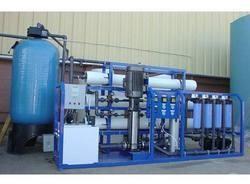
The water is salty and may also have fluoride, arsenic or nitrate. Ready-made units use RO, or NF (a looser membrane that removes less salt and wastes less water).
What it achieves
The key numbers.
of the water used, not wasted.
sizes.
per 1,000 litres.
Problem and fix
The problem this solves.
- 01The problem
The water is salty and may also have fluoride, arsenic or nitrate.
How it is fixedReady-made units use RO, or NF (a looser membrane that removes less salt and wastes less water). The membranes are made to clog less.
How it works
Step by step.
- 1
Pre-filter
Water is filtered to remove mud.
- 2
Membrane
An NF or RO membrane removes salt, fluoride, arsenic, nitrate and germs.
- 3
Supply
Clean water is stored or bottled.
Key features
Why it works well.
100 to 4,000 litres an hour. The NF unit uses 70% of the water, compared with 40 to 50% in a typical RO.
- Wastes less waterUses 70 to 80% of the water, against 40 to 50% in a typical RO.
- Fewer clogsMembranes are made to resist fouling and last longer.
- Portable and robustSkid-mounted and low maintenance.
- Keeps some mineralsNF lets part of the healthy minerals through.
At a glance
The details.
| Output | 100 to 4,000 litres an hour |
|---|---|
| Removes | Salt, fluoride, arsenic, nitrate, hardness, germs |
| Water used | 70 to 80% |
| Running cost | INR 30 to 50 per 1,000 litres |
| Indicative system cost | About INR 1.5 to 10 lakh by size |
| Ready level | Level 7 of 9 (tested in the field) |
| Scale | Village, school or bottling unit |
Costs are indicative and change with your water, site and plant size. We confirm them after testing a sample.
Where it is used
Who it is for.
- Villages and schools
- Packaged drinking water units
- Remote hamlets
Questions
Frequently asked questions.
Is this technology proven?
Yes. It is at ready level 7 of 9, which means: tested in the field. 100 to 4,000 litres an hour. The NF unit uses 70% of the water, compared with 40 to 50% in a typical RO.
What does it cost to run?
About iNR 30 to 50 per 1,000 litres. The exact figure depends on your water and the size of the plant. We confirm it after testing a sample.
Can we try it on our own water first?
Yes. We test a sample in our NABL-accredited lab and, where it helps, run a small trial on your site before you invest in a full plant.
Do you supply and install it?
Yes. We design, supply, install and start up the system, train your staff, and our lab checks the treated water.
Salty water, RO plants and membranes
Other ways to fix this problem.
THE NEXT STEP
Fix it on
your own site.
Send us a water sample or a test report. We will check it, confirm this method fits and tell you what it costs to run.
Discuss your problem